
Commitment
to the environment
To leave a better planet for future generations
Learn more about our efforts
Theme 02A Question Toward Conventional Meat
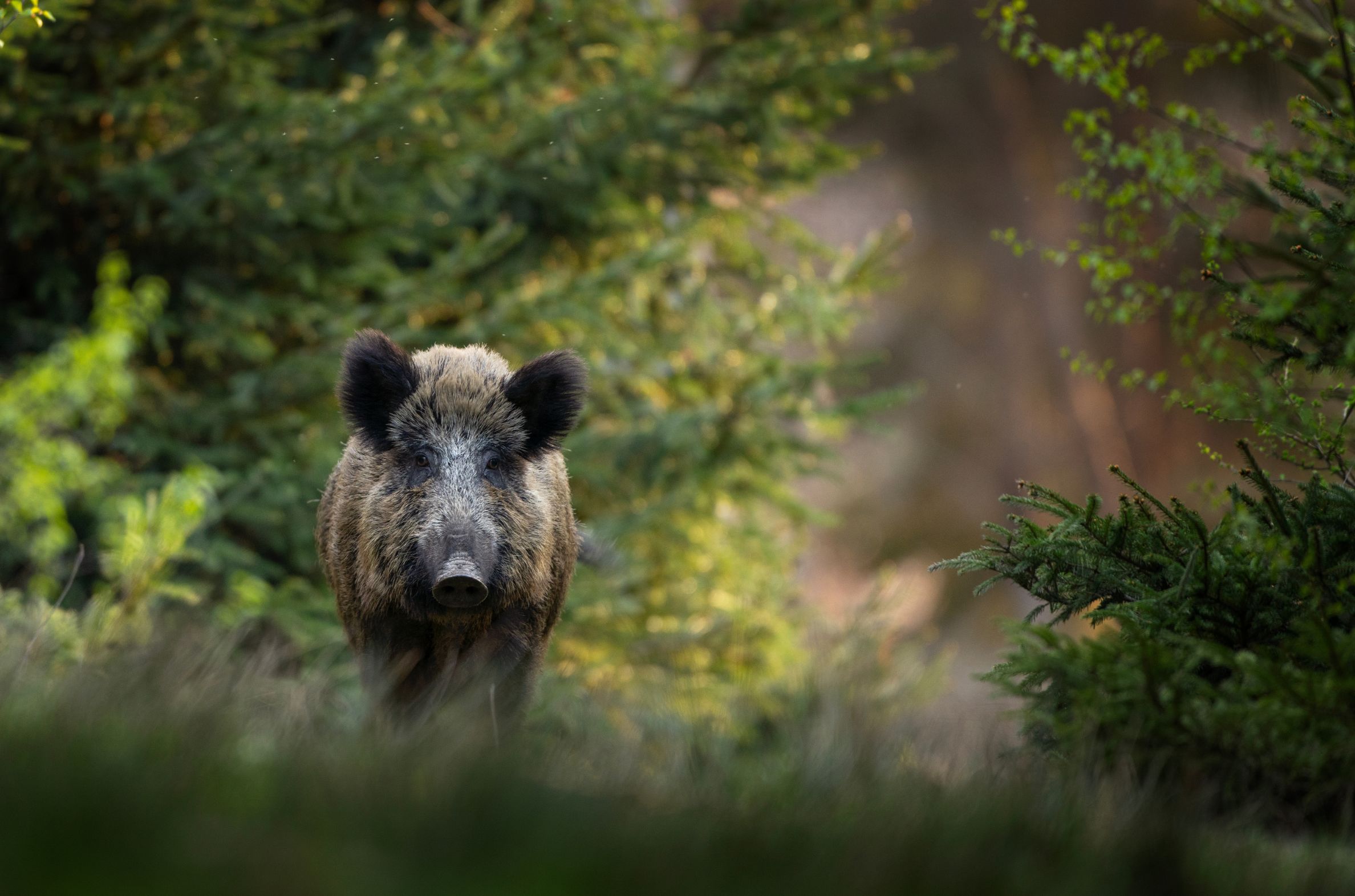
At SOA, we work with wild game from the mountains of Wakayama.
In recent years, the balance between humans and nature has quietly unraveled.
As boars and deer multiply beyond the forests’ ability to sustain them,
they venture into farmland, damaging crops,
and are increasingly classified as nuisance animals—hunted and discarded.
But we believe every life holds meaning.
We partner with skilled specialists who handle these animals
with care, respect, and ethical techniques—
transforming what was once seen as a threat into a meaningful ingredient.
This is not simply meat.
It is a reflection of ecology,
of what happens when human systems and natural cycles fall out of sync.
By honoring the lives of these animals through our cuisine,
we invite our guests to confront difficult truths—
and reimagine what responsibility and respect look like on the plate.
Why We Choose Game Meat at SOA
Industrial animal agriculture is one of the most pressing environmental challenges of our time.
And yet, the system remains largely unchanged.
To produce just one kilogram of steak, approximately 25 kilograms of grain are required.
This grain cultivation accelerates soil degradation, drives deforestation,
and consumes immense quantities of water—
all to place a single cut of meat on our plates.
Beyond environmental concerns, most livestock are raised in confined, unnatural spaces,
denied the ability to move freely or express their instinctive behaviors.
These conditions compromise their physical and mental health,
raising serious questions about the meat we consume—and its effect on our own well-being.
Today, in many developed countries, more people die from overconsumption than starvation.
At SOA, we believe it’s time to return to a simple truth:
we become what we eat.
As chefs and stewards of a new gastronomic future,
we choose to cook not with conventional farmed meat,
but with wild game—deer and boar that roam freely through the forests,
nourished by diverse roots, grasses, and nuts from the land itself.
Their bodies carry the subtle flavors and nutrients of the forest.
Handled with respect and cooked with intention,
this meat becomes more than a dish—it becomes a story of ecology, ethics, and flavor,
woven into the future of gastronomy.